


Investor Login
Ready for what's next

Israel is innovating faster.
The U.S. is deploying faster.
CET Ventures is ready.

Investing at the intersection of Israeli innovation and validated U.S. demand.

Stealth aircraft in flight
About Us

Where validated demand becomes durable revenue.

CET Ventures invests in Israeli-led companies developing critical and emerging technologies aligned with validated U.S. demand and budget priorities. We utilize our deep operational understanding to identify those likely to break through: to sell to enduring programs, achieve durable U.S. revenue, and mission-critical adoption.

More about us
Data center server racks
Portfolio

Companies built for U.S. deployment.

Israeli-led companies building technologies aligned with validated U.S. demand and the Critical and Emerging Technologies needed to shape the next generation of defense, infrastructure, and industrial resilience - from autonomous systems and dual-use AI to the technologies powering secure compute and resilient supply chains.

View the portfolio
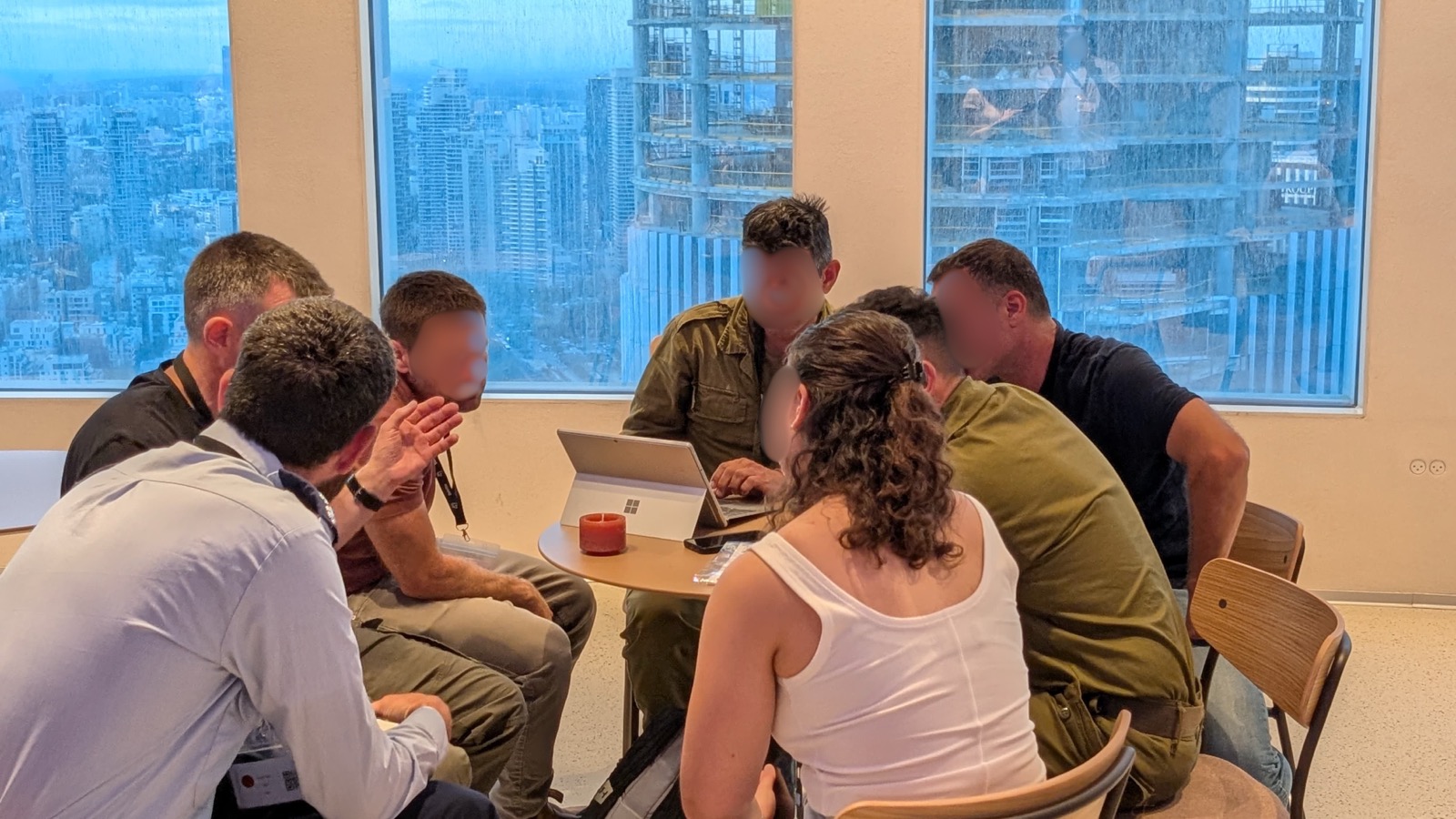
CET Sandbox working session in Tel Aviv
The CET Sandbox

Turning access into adoption.

Through its sister organization, The CET Sandbox, CET Ventures gains first-look access to Israeli companies vetted against validated U.S. demand. By helping founders navigate the realities of the U.S. market, from regulatory and procurement complexity to the relationships that drive commercialization, the platform helps convert Israeli innovation into large-scale U.S. adoption.

Explore the Sandbox
Insights

CET Research

We publish proprietary research because the broad, complex and fast-moving dynamics in this space carry evolving investment implications. We examine how these dynamics affect the opportunities and challenges for startups and effectively investing in them, by weighing trends in capital markets, geopolitical developments, relevant procurement policies, the U.S.–Israel relationship, and more. Most importantly, we offer forward-looking takeaways on how these may affect investors, founders, governments, and others. (The two research reports below also appear in full on the Research page.)

Inaugural Edition · October 2026

The Israeli CET Market Map: Mapping Israeli Startups to America's Critical and Emerging Technologies

By Azi Jacobson

Our first Israeli CET Market Map pairs Israel's startup ecosystem with the 14 Critical and Emerging Technology areas in the White House's August 2026 update. Of more than 800 companies evaluated, we verified 359 and mapped each to one CET area and subcategory, showing where Israel is strong, where it is crowded, and where the openings are.

Key conclusions
  • 359 Israeli companies, verified from more than 800 evaluated, mapped across 14 CET areas and 55 subcategories.
  • The drone fight is where Israel is deepest, and it is getting crowded. 55 of the 359 companies build drones, fly them, or take them down, in line with DIU's recent focus on cheap unmanned systems at scale, counter-drone, and unmanned boats. Programs pick only a few vendors, so a sharp answer to what makes a company different matters.
  • Israel builds what goes inside the system. Sensors, communications gear, and chips account for 137 companies, 38% of the map, while only about 30 build a complete platform. The fastest way into the U.S. market is usually through a prime, as a supplier or partner.
  • The gaps are in the expensive fields. Nine of the 14 CET areas hold just 88 companies, and 13 of the 55 subcategories have three or fewer, including quantum sensing, radiation-hardened electronics, and energetics. These are U.S. national security priorities and the biggest openings on the map.
Vol. 1, No. 2 · May 2026

The Fiber-Optic Drone Problem: Solving the Unjammable Threat

By Barry Mannis and Azi Jacobson

Low-cost fiber-optic FPV drones bypass every existing counter-UAS system — an unjammable, no-warning threat. We document The CET Sandbox's response (Operation Northern Shield), apply the Iron Dome playbook, and explain why “inexpensive, simple, scalable, sufficient” is replacing “exquisite” as the primary U.S. procurement driver.

Key conclusions
  • Low-cost fiber-optic FPVs bypass all existing counter-UAS systems — a lethal, no-warning threat immune to jamming, GPS spoofing, and the entire electronic warfare solution set.
  • The CET Sandbox launched Operation Northern Shield: TRL 5+ startups, defense officials, and frontline IDF operators convened in Tel Aviv with a 30-day field deployment goal.
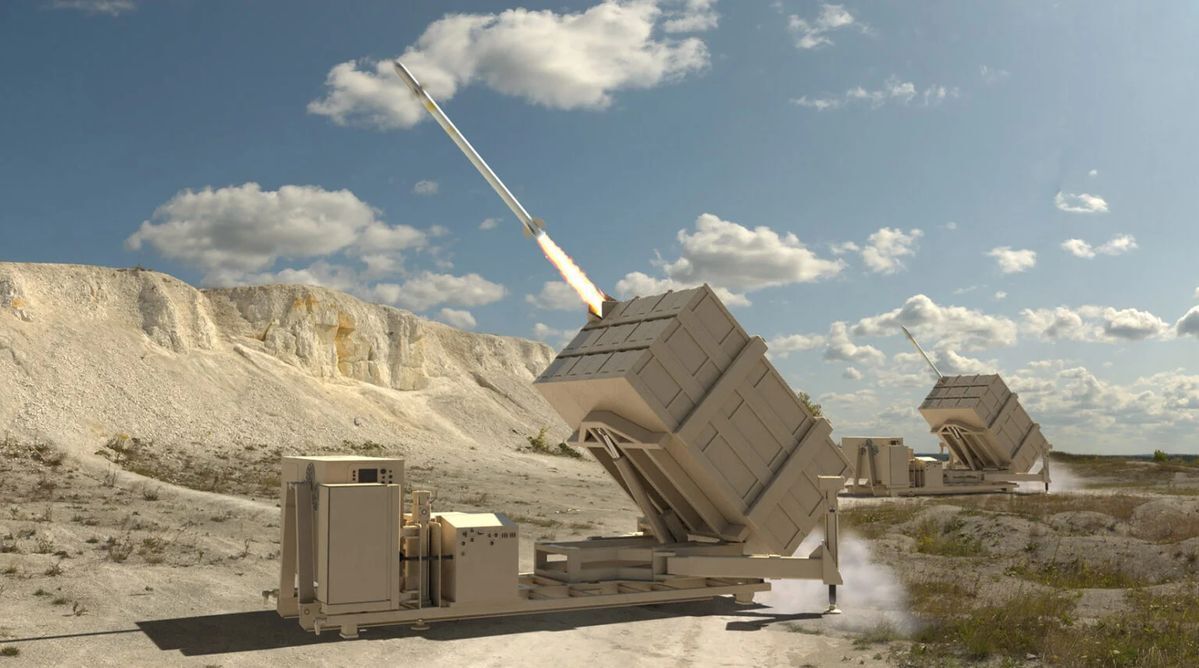
  • The Iron Dome playbook applies: Israeli ingenuity proves the concept, U.S. scales the manufacturing — integrate fast and accept imperfection.
  • “Inexpensive, simple, scalable, sufficient” is replacing “exquisite”; cost-effectiveness now rivals technological edge as the primary U.S. procurement driver.
  • With the U.S.–Israel MOU expiring, the moment calls for a standing joint Defense Innovation Lab, not ad-hoc responses to each new threat.
Vol. 1, No. 1 · March 2026

One Plus One Is Eleven: U.S.–Israel Combat Integration and What It Means for Defense Tech Investors

By Barry Mannis

Our inaugural report examines the most consequential development in the U.S.–Israel relationship in decades: the shift from coordination to genuine combat integration, and what it means for founders and investors in Israeli defense tech. We argue the outlook is bullish, with a clear premium on “U.S.-ready,” plug-and-play companies.

Key conclusions
  • Decades of growing U.S.–Israel defense ties made joint combat instantly effective.
  • Complementary strengths have ignited powerful synergies and seamless operation.
  • Trust and admiration for Israel in the U.S. Defense Industrial Base has risen sharply.
  • History suggests that shared combat produces deeper integration of innovation.
  • The war's outcome and shifting U.S. political dynamics remain key risks to integration.
  • The outlook is bullish for venture investors in Israeli defense tech.
  • We place a premium on U.S.-ready companies with plug-and-play technologies.
  • Segment to watch: AI-driven tech to secure communications for autonomous systems.